Published: Jan 14, 2021 by Indranil Mandal
When a star dies
Abstract
Isn’t it sad to see a star die? Well no reason to get gloomy yet. Stars cannot live forever, just like humans. They are born, live thier lives, change, evolve as they age and eventually perish as do all things. Often Stars do this in a much more spectacular way than anything else!
Introduction
Stars are probably the most recognised astronomical objects. Stars are responsible for the creation and distribution of heavy elements like carbon, oxygen and nitrogen. Consequently, the study of their birth and death is quite fascinating and central to astronomy. A stars life time is determined by its mass which in turn is determined by its nebula. The hydrogen in the nebula is pulled together by gravity and it begins to spin, heats up and as the temperature reaches 15,000,000 degrees nuclear fusion occurs in the core. It remains in this stage for millions of years to come. In this article I will particularly deal with the fate of stars. We’ll also see that Black holes do emit some radiations, they ain’t so black after all. So buckle up, it’s going to be a pretty bumpy ride.
Stars and their fates
When a star has used up all the hydrogen in the core nuclear reactions cease. The core starts collapsing into itself. The increasingly hot core also pushes the outer layers of the star outward, causing them to expand and cool, transforming the star into a red giant. Gradually, the star becomes extremely unstable, either burning furiously or dying out. What happens next is a matter of the size of the core.
Classification
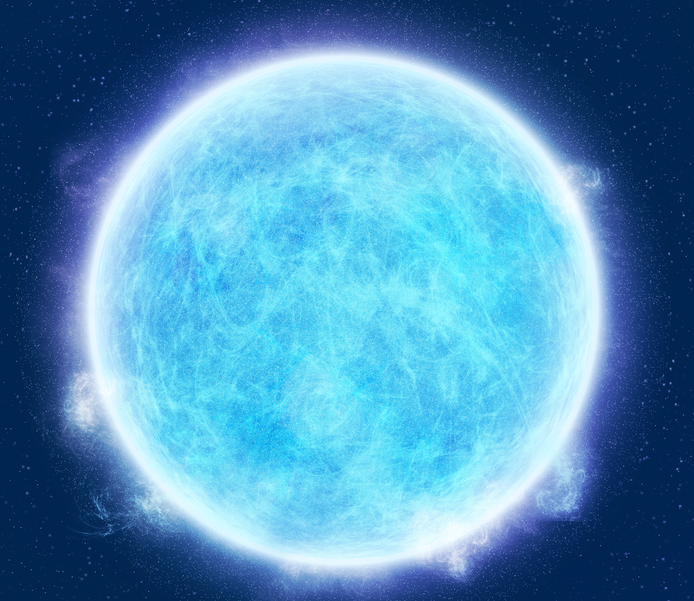
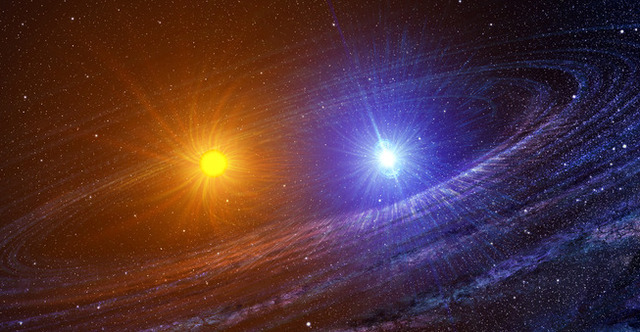
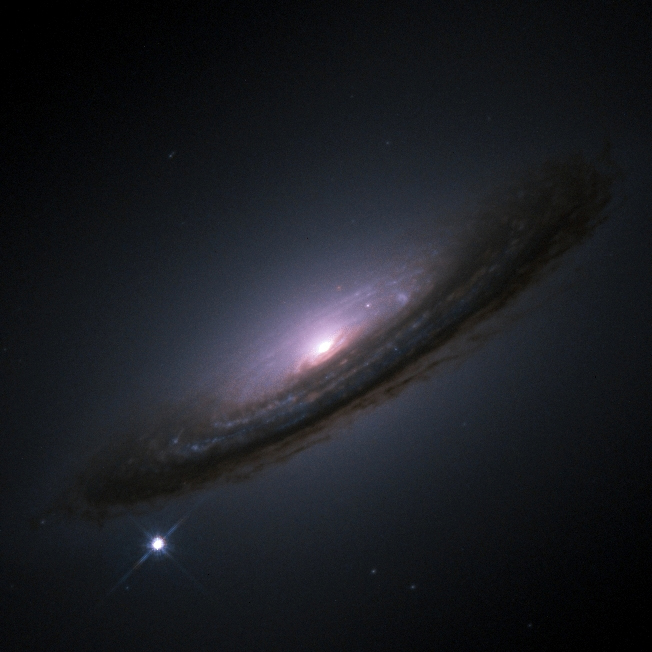
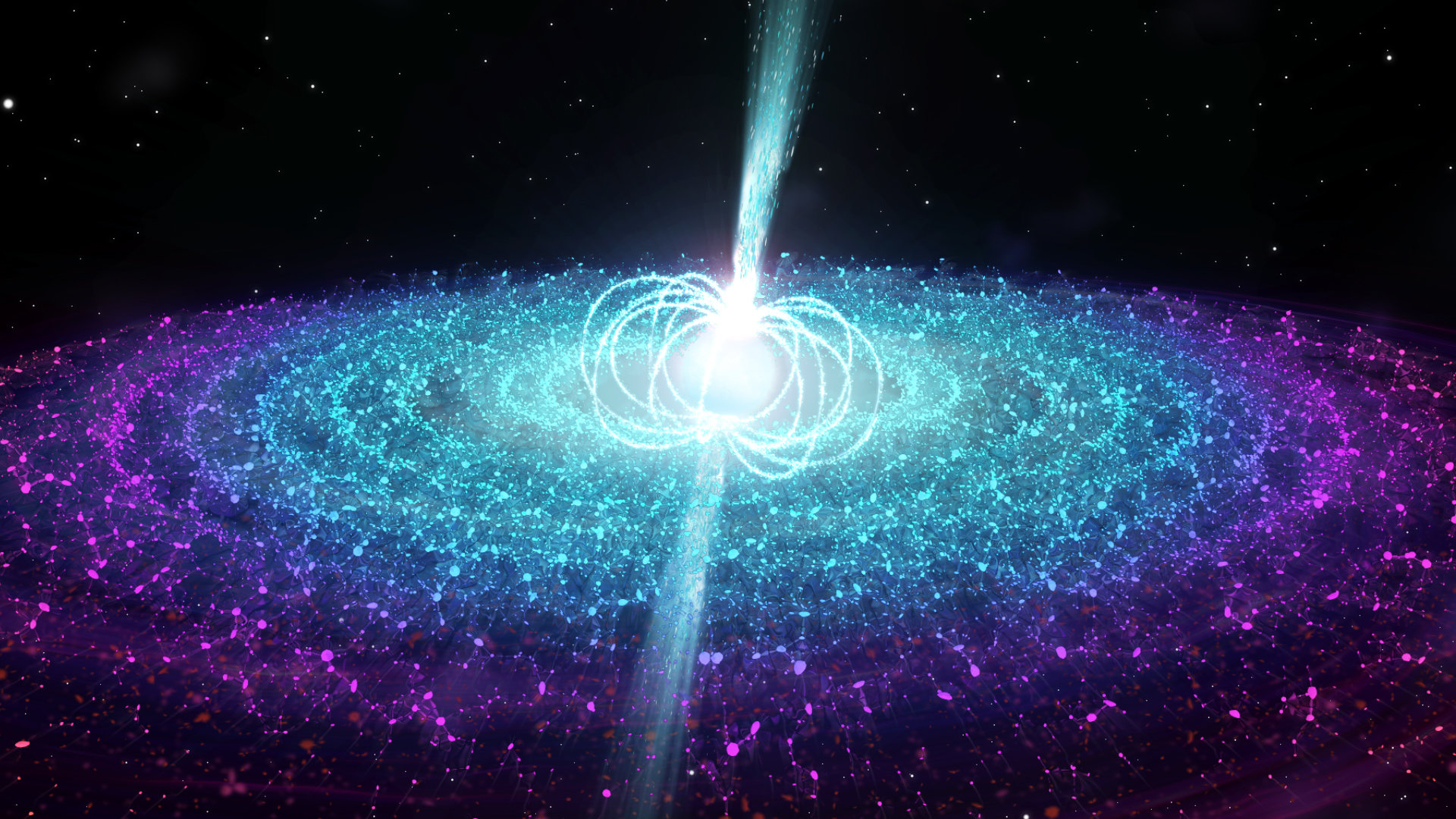
| White Dwarf | Novae | Supernovae | Neutron Star | Black Hole |
| Star type | Description | Temperature (K) | Mass (Ms) |
|---|---|---|---|
| White Dwarf | Average stars like the sun keep ejecting outer layers until the core is exposed. This “dead” star is called a white dwarf. They don’t collapse any further. White dwarfs are intrinsically very faint and fade into oblivion due to lack of energy source. | Surface:8,000-16,000, Core:5,000,000-2,000,0000 | 1.4 |
| Novae | If a white dwarf forms in a binary or multiple star system, it may experience a more eventful demise as a nova. Sometimes dwarfs reaching the Chandrashekhar limit may collapse and explode completely, becoming what is known as supernova. | 1,000,000,000 | 8-15 |
| Supernovae remnants | In a nova, only the star’s surface explodes. In a supernova, the star’s core collapses and then explodes. Supernovae explode to release an unimaginable amount of energy. They might outshine an entire galaxy for a period of days to weeks | 1011 | N/A |
| Neutron Stars | Neutron stars are incredibly dense - similar to the density of an atomic nucleus. Due to this, the gravitational pull at the surface is immense. It can even strip apart nearby companions. They also have very strong magnetic fields which accelerate particles around them and emit them as searchlight beams. A pulsar occurs when we can see the beam, which is due to the magnetic pole sweeping past the line of sight periodically. | Newly formed:1012, Stable:106 | 1.4-3 |
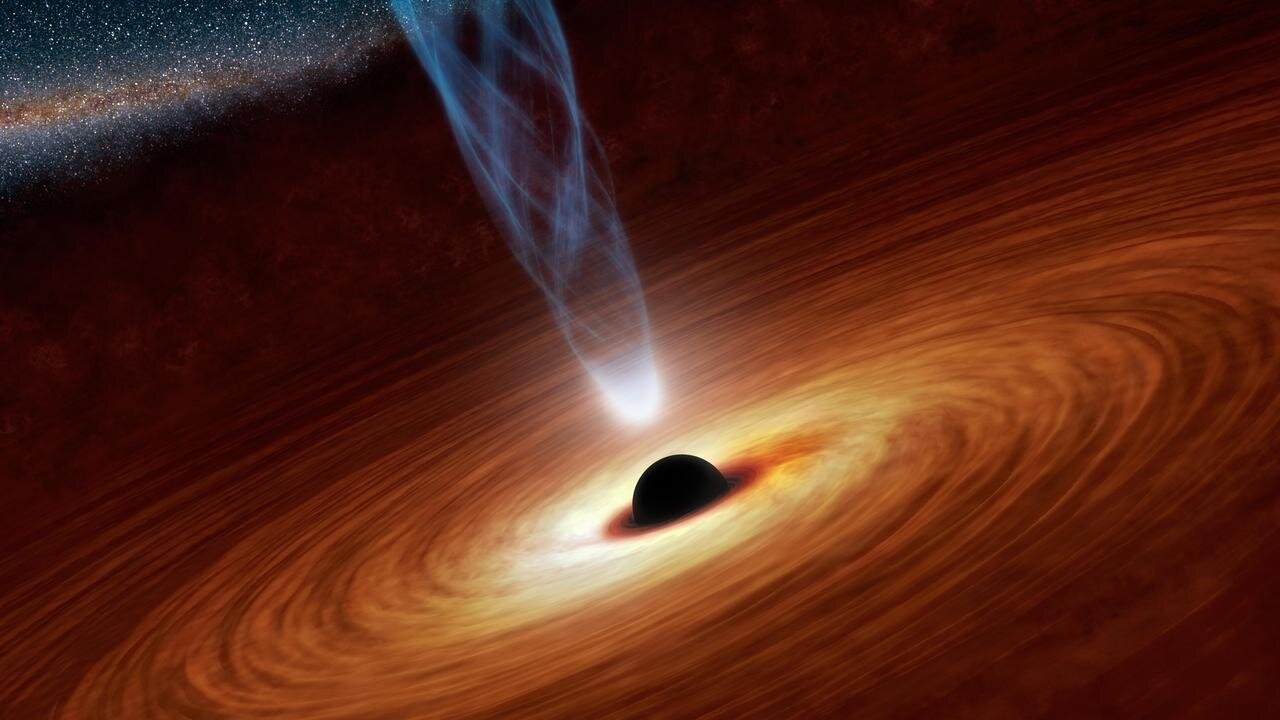
| Black Holes | It is an infinitely dense object whose gravity is so strong that nothing can escape its immediate proximity, not even light. Due to this direct ovservation technique are not possible. However indirect observation is possible, due to the fact that nearby matter falls in spiralling into a black hole. Eventually these are emmited as strong jets of X-Rays and Gamma-Rays that can blow up anything in their path. Maybe we are lucky enough(or are we?). | 10-6 | Varying(1-106) |
Dying In a blaze of Glory
This stardust released during explosions eventually makes other stars, planets and even us. So to say even were made of stardust.. and we will return to stardust someday.